



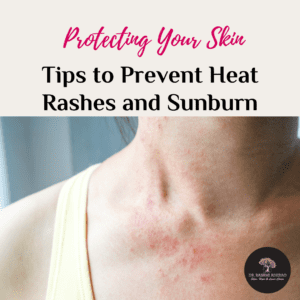
Protecting Your Skin: Tips to Prevent Heat Rashes and Sunburn
As the weather remains warm during the transitional season, your skin continues to face challenges from heat, humidity, and ultraviolet (UV) exposure. Prolonged sun exposure and excessive sweating can trigger sunburn, prickly heat, pigmentation, and dehydration. Protecting your skin is not just about comfort—it’s essential for long-term skin health. Below are practical and dermatologist-recommended tips to help you prevent sun damage and heat-related skin problems while enjoying the outdoors.
Choose the Right Sun Protection
Selecting a sunscreen suited to your skin type is crucial. Use a broad-spectrum sunscreen that protects against both UVA and UVB rays with at least SPF 30 or higher. Apply it 20 minutes before sun exposure and don’t forget commonly missed areas like ears, feet, and the back of the neck. Reapplication every two to three hours is essential, especially if you are sweating.
Time Your Outdoor Activities Wisely
The intensity of UV radiation is strongest between late morning and mid-afternoon. Planning outdoor tasks early in the morning or later in the evening reduces the risk of sunburn and heat-triggered skin irritation. If you must be outdoors during peak hours, minimize direct exposure as much as possible.
Wear Breathable and Protective Fabrics
Clothing plays a vital role in skin defense. Opt for light-colored, loose cotton garments that allow air circulation and reduce sweat accumulation. Wide-brimmed hats and UV-protective sunglasses add an extra layer of defense against sun exposure. Some fabrics are specially designed with UV protection, offering enhanced safety.
Maintain Proper Skin Hygiene
Excess sweat, dirt, and oil can clog pores and worsen heat rashes. Cleanse your face and body gently after returning home. Use mild, soap-free cleansers to avoid stripping natural moisture. Keeping your skin clean and dry significantly lowers the chances of developing prickly heat.
Keep Your Body Cool
Overheating increases the risk of skin irritation. Staying in well-ventilated or air-conditioned environments helps regulate body temperature. Using cooling towels or mist sprays can also provide instant relief when you are outdoors.
Hydrate From Within
Internal hydration reflects externally on your skin. Drink sufficient water throughout the day to compensate for fluid loss caused by sweating. Adding fruits with high water content—like watermelon, cucumber, and oranges—can also support hydration and improve skin elasticity.
Soothe Skin After Sun Exposure
If your skin feels warm or irritated after being outdoors, apply aloe vera gel or a calming moisturizer to reduce inflammation. Avoid heavy creams that may trap heat. Cool compresses can also ease discomfort and redness.
Monitor Skin Changes
Pay attention to signs such as persistent redness, itching, blisters, or unusual pigmentation. Early identification of sun damage or heat rash allows quicker management and prevents complications.
Stay Updated on Weather Alerts
Tracking daily temperature levels and UV index forecasts allows you to take proactive measures. On days with extreme heat warnings, reduce outdoor exposure and increase hydration and protection efforts.
Conclusion
Taking consistent preventive steps can significantly reduce the risk of sunburn, heat rashes, and seasonal skin concerns. Smart sun habits, breathable clothing, adequate hydration, and proper skincare routines help maintain healthy and glowing skin. If symptoms become severe or do not improve, consulting a qualified dermatologist is recommended. With mindful care, you can enjoy the season comfortably while keeping your skin protected and radiant.