


Why You Should Never Delay Treating a Fungal Infection – A Dermatologist’s Advice

Fungal infections are more common than most people think. They can affect anyone—men, women, or children—and show up on different parts of the body such as the skin, scalp, nails, or even the genital area. While some people may ignore them thinking they’ll “go away on their own,” the truth is: fungal infections rarely resolve without proper medical treatment. In fact, delaying treatment can make them worse and harder to cure.
At our clinic, we see many patients whose fungal infections have spread simply because they waited too long to seek help. Here’s why it’s important to treat fungal infections immediately.
- They Spread Quickly
Fungal infections thrive in warm, moist environments and can multiply rapidly. Left untreated, they can:
- Spread to other areas of your body
- Pass on to family members through direct contact or shared items like towels, bedsheets, or clothes
- Turn into chronic (long-lasting) infections that keep coming back
- Delayed Treatment = Tougher Cure
Early-stage fungal infections respond faster to antifungal creams or medicines. But if you delay:
- The infection may become resistant to simple treatments
- You may require longer courses of oral medication
- The skin may take longer to heal, leaving marks or discoloration
- Itching and Discomfort Get Worse
Fungal infections often cause:
- Persistent itching or burning
- Redness, scaling, or peeling skin
- Cracked skin that may bleed or get infected with bacteria
Ignoring these symptoms means you’re living with unnecessary discomfort every day.
- Risk of Secondary Infections
When you scratch an itchy fungal patch, you damage the skin barrier—allowing bacteria to enter. This can lead to painful pus-filled boils or cellulitis, requiring antibiotics in addition to antifungal treatment.
- It Can Affect Confidence and Lifestyle
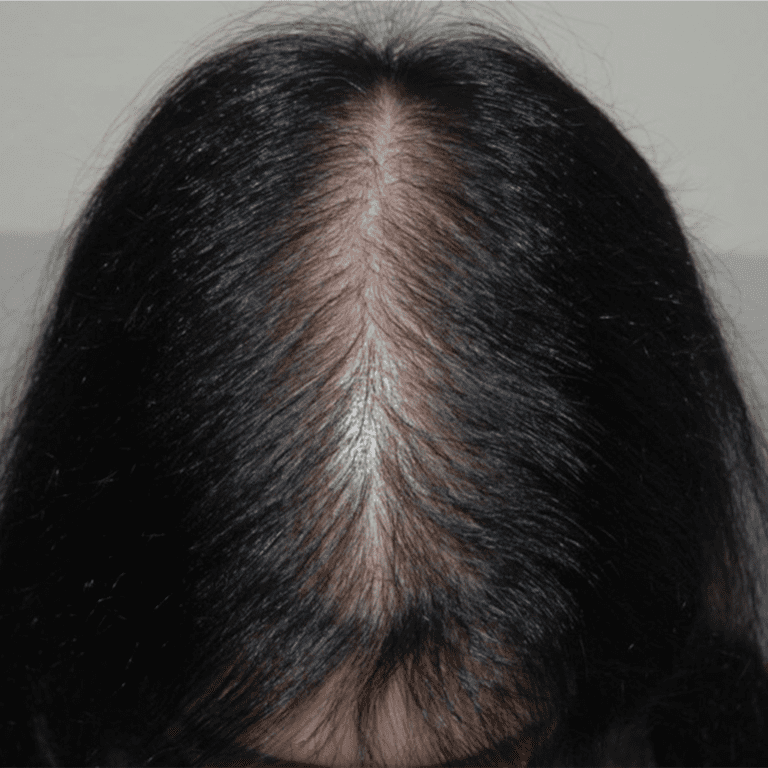
Visible fungal infections—especially on the face, hands, or nails—can affect your self-confidence. Scalp fungal infections may cause hair loss, while nail infections can make nails thick, brittle, and unsightly.
What to Do If You Suspect a Fungal Infection
- Visit a dermatologist promptly – Self-medicating with over-the-counter creams (especially steroid creams) can worsen fungal infections.
- Follow the full treatment plan – Even if symptoms improve early, stopping treatment too soon can cause recurrence.
- Maintain hygiene – Keep affected areas clean and dry, avoid sharing personal items, and change clothes daily.
Fungal infections are not “small skin problems.” They can spread, cause discomfort, and become stubborn if not treated early. With timely medical care, most fungal infections can be cured quickly and completely.
📞 Book your consultation today – Let our skin specialist help you get fast relief and prevent complications.